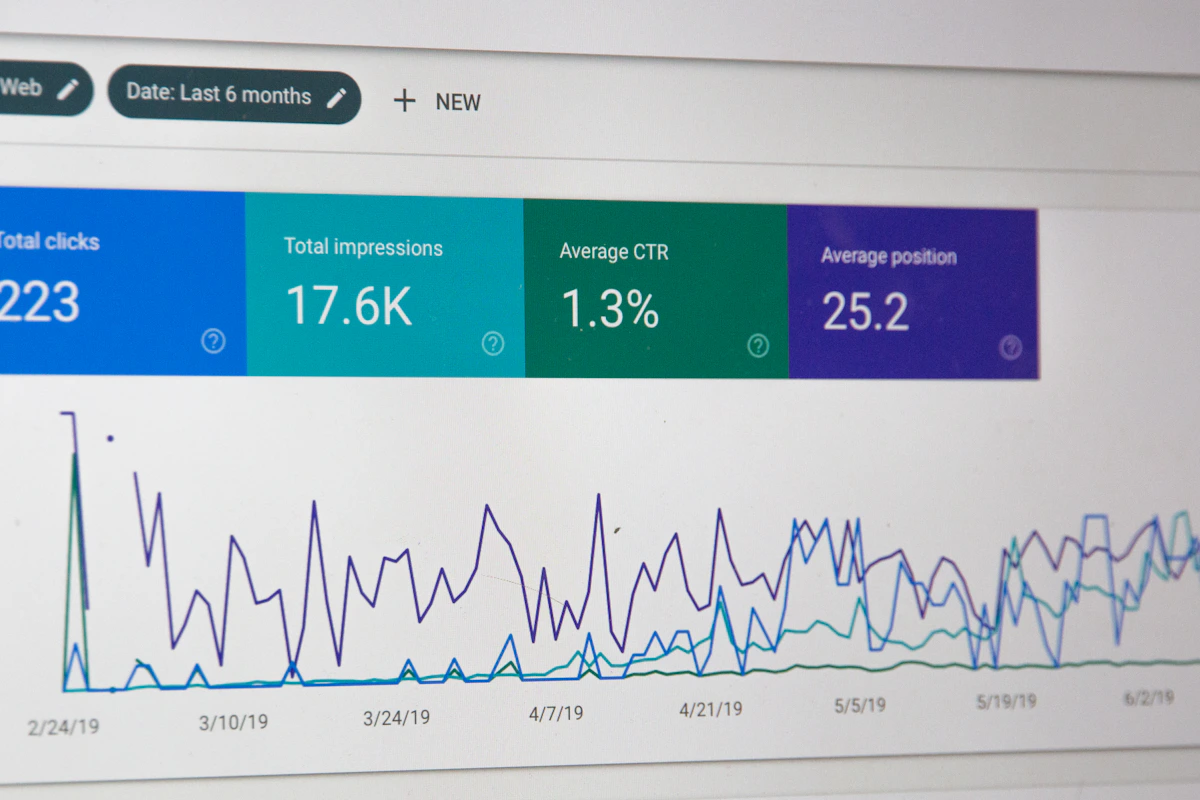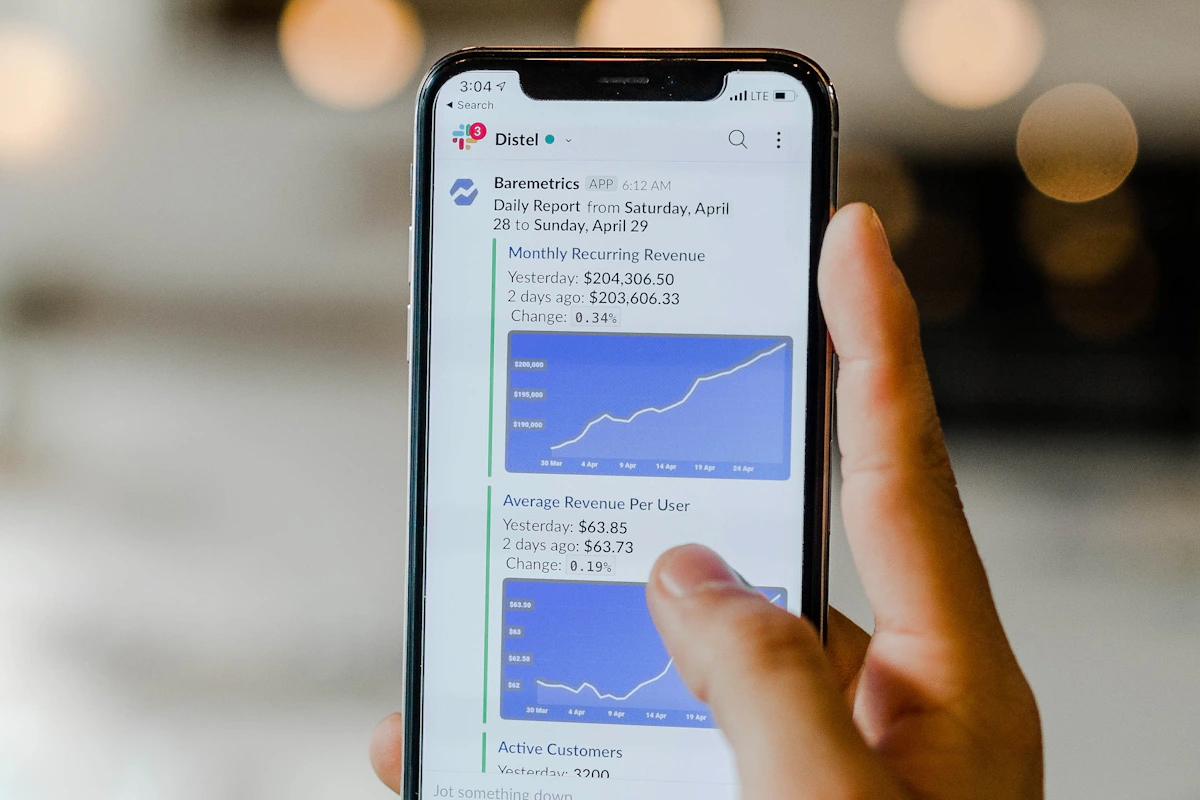

How To Create A Digital Marketing Strategy For Your Business
Build a practical digital marketing strategy by matching goals, audience, channels, content, budget, and measurement before execution begins.
Read article
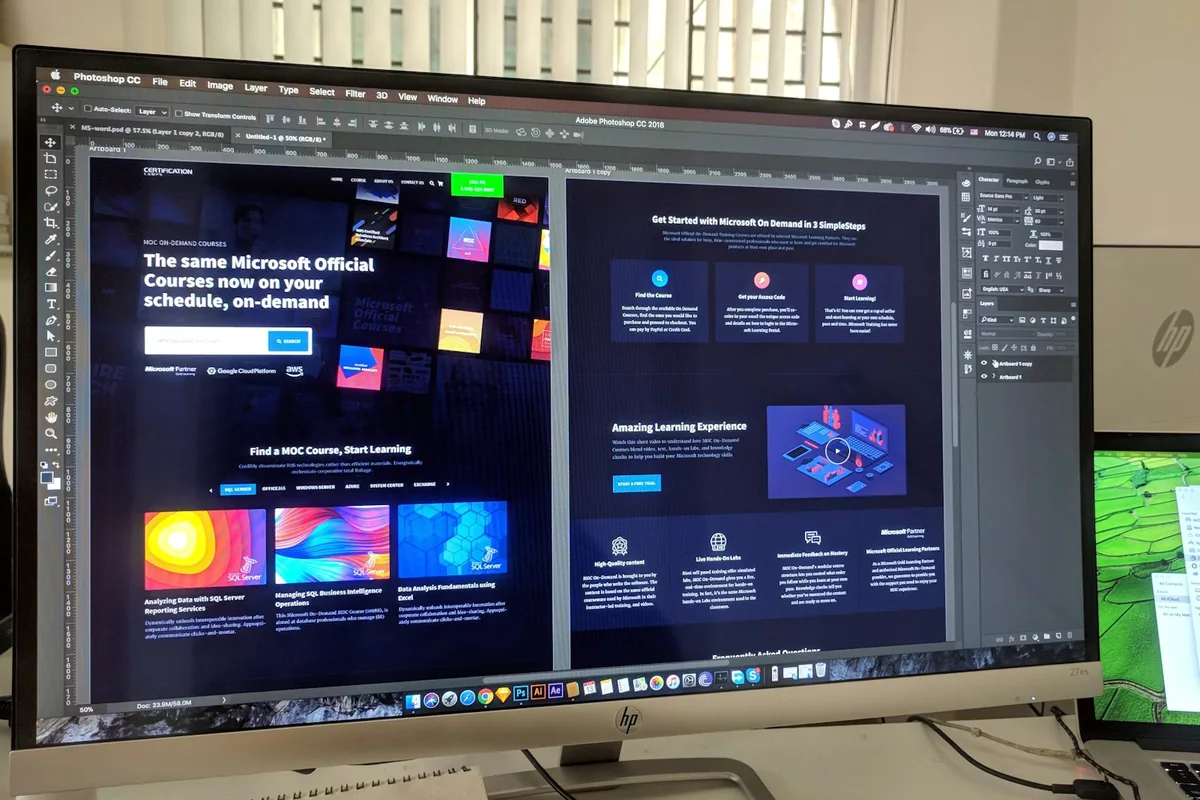

Build a practical digital marketing strategy by matching goals, audience, channels, content, budget, and measurement before execution begins.
Read article

The strongest content marketing trends in 2026 focus on answer-first writing, AI search visibility, original trust signals, video repurposing, and useful community proof.
Read article
Create a content marketing plan with audience research, keyword groups, content pillars, formats, publishing rhythm, distribution, and review metrics.
Read article
Small businesses can use influencer marketing by choosing relevant creators, clear briefs, fair deliverables, usage rights, and trackable offers.
Read article
Improve email conversions with stronger segmentation, useful subject lines, cleaner offers, better timing, simple layouts, and consistent testing.
Read article
Grow an email list faster with useful lead magnets, visible signup points, audience-fit offers, social promotion, landing pages, and clean consent.
Read article
Choose marketing automation tools in 2026 by comparing email flows, CRM fit, ecommerce triggers, AI support, reporting, integrations, and team usability.
Read article
B2B lead generation works better with clear positioning, useful content, LinkedIn outreach, SEO pages, webinars, lead magnets, and careful follow-up.
Read article
Use A/B testing to improve website conversions by testing one hypothesis at a time across headlines, offers, forms, proof, and calls to action.
Read article
CRO improves the percentage of visitors who take action by studying behavior, reducing friction, testing changes, and strengthening trust signals.
Read article
Voice search SEO improves when pages answer natural questions clearly, use conversational headings, strengthen local signals, and include structured data.
Read article
Use ChatGPT for marketing by turning messy notes into briefs, outlines, campaign angles, content drafts, repurposing ideas, and review checklists.
Read article
Increase ecommerce sales with better product pages, email flows, SEO, bundles, retargeting, reviews, creator content, and post-purchase retention.
Read article
A 2026 social media strategy needs audience clarity, platform roles, content pillars, video rhythm, community response, and measurable business goals.
Read article
Grow a brand on Instagram with clear positioning, reels, useful carousels, strong profile structure, creator collaborations, and consistent community care.
Read article
A TikTok marketing strategy should use fast hooks, native pacing, repeatable content formats, creator insight, trend fit, and clear brand relevance.
Read article
B2B LinkedIn marketing works with clear positioning, useful founder posts, employee voices, proof-led content, targeted outreach, and consistent follow-up.
Read article
Use Facebook marketing through local trust, groups, page content, retargeting, lead forms, community engagement, and clear offer testing.
Read article
Measure social media ROI by connecting content activity to reach, engagement quality, website actions, leads, revenue, retention, and brand trust signals.
Read article
User generated content helps brands grow by adding social proof, real context, product education, community trust, and reusable creative assets.
Read article
Create a social media content calendar by choosing pillars, formats, posting rhythm, ownership, approval steps, repurposing sources, and review dates.
Read article
Organic follower growth comes from clear positioning, useful repeatable formats, platform-native creative, collaboration, community replies, and consistent learning.
Read article
Live video works better with a clear topic, short run of show, audience prompts, reliable setup, replay plan, and follow-up content.
Read article
Use hashtags as discovery support by mixing niche, topic, brand, location, and campaign tags while keeping content quality first.
Read article
A 2026 video marketing strategy should connect short-form reach, long-form trust, sales enablement, captions, repurposing, and measurable calls to action.
Read article
Beginners can compare free video editing software by ease of use, export quality, captions, templates, color tools, audio control, and platform fit.
Read article
Shoot better smartphone videos by controlling light, sound, framing, stability, exposure, background, shot list, and platform format.
Read article
Improve YouTube SEO with search intent, strong titles, useful descriptions, chapters, captions, thumbnails, retention, and supporting blog content.
Read article
Short videos travel further when they use a strong first frame, clear hook, quick pacing, captions, repeatable formats, and audience-relevant ideas.
Read article
Create smoother cinematic videos with better pacing, clean cuts, sound design, color consistency, motion control, captions, and story structure.
Read article
Storytelling in marketing videos works by showing the problem, tension, change, proof, and next step in a format the viewer can follow.
Read article
Repurpose blog content into videos by extracting hooks, FAQs, examples, checklists, scripts, carousels, shorts, and platform-specific cutdowns.
Read article

Subtitles and captions improve video accessibility, silent viewing, comprehension, retention, localization, search context, and message clarity.
Read article
Use video across the sales funnel with awareness clips, educational explainers, comparison videos, testimonials, demos, onboarding, and follow-up assets.
Read article

Create high quality videos on a budget by planning the message, using natural light, clear audio, simple locations, reusable templates, and smart editing.
Read article

Choose motion graphics for clarity and abstraction, live video for human trust and realism, or combine both when a message needs explanation and emotion.
Read article

Explainer videos help marketing by simplifying offers, reducing confusion, improving landing pages, supporting sales teams, and repurposing across channels.
Read article

Motion graphics trends in 2026 favor cleaner brand systems, kinetic type, mixed media, subtle 3D, AI-assisted exploration, and accessible captions.
Read article

Compare animation software by ease, templates, character tools, motion control, collaboration, exports, brand consistency, and budget.
Read article

Create whiteboard animation videos with a focused script, clear scenes, simple drawings, voiceover timing, branded details, and a practical CTA.
Read article

Choose 2D animation for clarity and speed, 3D animation for depth and product realism, or combine both when the message needs scale.
Read article
Kinetic typography improves marketing videos by emphasizing key phrases, supporting silent viewing, improving pacing, and making messages easier to remember.
Read article

Brands use AR and VR for product try-ons, immersive demos, virtual showrooms, events, training, storytelling, and interactive buying experiences.
Read article

Compare free AI image generators by prompt control, editing tools, commercial terms, brand consistency, text rendering, privacy, and export quality.
Read article

AI video generator tools in 2026 are best compared by cinematic quality, avatar support, editing workflow, brand control, rights, and review needs.
Read article

AI generated content creates ethical risks around accuracy, consent, copyright, bias, disclosure, deepfakes, data privacy, and customer trust.
Read article

Choose AI content tools by use case: writing, research, design, video, editing, automation, analytics, brand consistency, and approval workflow.
Read article

AI personalization changes digital marketing through smarter segments, dynamic content, predictive timing, product recommendations, and more relevant customer journeys.

Read article
The future of AI in advertising and marketing points toward faster creative testing, smarter targeting, automated analysis, synthetic media controls, and human review.
Read article
Better ChatGPT prompts for marketing copywriting include audience, offer, proof, tone, format, constraints, examples, and a clear review instruction.
Read article
AI video editing tools can speed up captions, trimming, transcription, repurposing, background cleanup, translation, templates, and short-form production.
Read article
Study AI marketing campaigns by looking at the business problem, AI role, human review, creative idea, customer value, and measurable result.
Read article
SEO trends in 2026 center on AI search visibility, answer-first content, technical quality, topical authority, helpful multimedia, and stronger trust signals.
Read article
Use this on page SEO checklist to improve titles, descriptions, headings, URLs, internal links, images, schema, speed, mobile usability, and content quality.
Read article
Better keyword research combines search intent, customer questions, competitor gaps, long-tail terms, topic clusters, SERP analysis, and conversion value.
Read article
Improve local SEO with a complete business profile, consistent NAP details, local pages, reviews, photos, citations, and location-specific content.
Read article
Technical SEO covers crawlability, indexing, speed, mobile usability, site structure, redirects, canonicals, structured data, security, and clean URLs.
Read article
Link building still works when it earns relevant mentions through useful assets, partnerships, digital PR, guest expertise, local citations, and original research.
Read article
Schema markup helps search engines understand pages by adding structured data for articles, services, FAQs, products, breadcrumbs, and local businesses.
Read article
Improve ecommerce SEO with unique product copy, optimized category pages, reviews, internal links, schema, image SEO, filters, and crawlable navigation.
Read article
A simple way to judge an agency before you spend money, based on clarity, process, proof of thinking, and fit.
Read article
Before starting a video project, ask about format, pacing, captions, revisions, source files, and platform goals.
Read article
Customers judge trust through clarity, consistency, image quality, page structure, contact paths, and how specific your claims feel.
Read article
A useful brief explains the audience, problem, desired action, examples, limits, and review expectations in plain language.
Read article
Weak design can create confusion, lower trust, slow campaigns, and force repeated fixes across every customer touchpoint.
Read article
AI content can help, but customers still need accuracy, consent, human review, and a clear brand point of view.
Read article
Before using AI voice, clarify consent, ownership, use case, quality review, disclosure, and where the audio will appear.
Read article
Small teams can use AI for research, drafts, creative options, content repurposing, and workflow organization without losing control.
Read article
Premium AI images need stronger direction, better references, realistic detail checks, brand fit, and careful selection.
Read article
SEO helps customers find useful answers, compare options, and understand why your business may be the right next step.
Read article
A blog is worth publishing when it answers a real customer question, adds useful judgement, and leads to a sensible next step.
Read article
Customers want to know who the service is for, what is included, how the process works, and what happens after contact.
Read article
Clear search intent helps each page answer the right question instead of trying to speak to everyone at once.
Read article
A good report should explain what changed, why it matters, and what decision should happen next.
Read article
Lead generation works better when the offer is clear, the form feels reasonable, and the follow up expectation is honest.
Read article
Ads become easier to improve when the offer, audience, promise, and page path are clear before launch.
Read article
Google ads campaigns often capture intent, while Meta campaigns often create demand and test messages visually.
Read article
Social media is working when it builds clarity, saves useful ideas, starts conversations, and supports real customer movement.
Read article
Start with customer questions, common mistakes, process details, comparisons, examples, and simple explanations.
Read article

A simple content mix can help your social feed educate, reassure, show proof of thinking, and invite action.
Read article
An about page helps buyers understand judgement, values, working style, and whether the team feels safe to contact.
Read article
Bring your goal, current assets, customer type, budget comfort, deadline, and the problems you already know about.
Read article
A good proposal explains the problem, scope, deliverables, timeline, review process, assumptions, and next step.
Read article
The right choice depends on structure, trust, page speed, copy clarity, visual quality, and how hard the site is to maintain.
Read article
When the ad promise and landing page message match, visitors feel less friction and the next action feels clearer.
Read article
Customer language can reveal objections, outcomes, emotional triggers, and content ideas that feel more relevant.
Read article
Small brands can feel established through consistency, clear service pages, useful content, professional visuals, and calm communication.
Read article
Attention needs a path. Review the offer, profile, service page, call to action, proof of thinking, and follow up process.
Read article

Trust begins before the call through clear pages, useful articles, honest process, visible contact options, and consistent presentation.
Read article

Before ads, improve your offer, website clarity, content base, tracking, and customer journey so paid traffic has a better chance.
Read article

A useful content plan does more than fill dates. It helps buyers understand the brand, compare options, and feel safe taking the next step.
Read article

A stronger brief saves edit time, protects the message, and gives the final video a clearer reason to exist.
Read article

AI media works best when the team defines consent, quality review, usage limits, and approval rules before production starts.
Read article

Search friendly pages should answer the intent quickly, make comparison easier, and give the reader a confident next step.
Read article

Campaign results depend on more than budget. Better messages, visuals, offers, and landing pages give media spend a stronger chance to work.
Read article

A simple brand system reduces visual confusion and helps every campaign look more consistent without slowing the team down.
Read article

A useful social calendar balances trust, education, proof, personality, and offers so the audience sees a complete brand.
Read article

A short quality check can catch broken links, unclear promises, weak mobile layouts, and missing context before customers see the work.
Read article

One strong idea can become a blog, short videos, social posts, email notes, and sales material when the message is planned properly.
Read article

A calm review process keeps feedback useful, protects the schedule, and helps creative work improve without losing direction.
Read article

A service page earns trust when it explains the problem, the work, the process, and the next step without forcing visitors to guess.
Read article

Posting keeps a profile active. Building demand makes the audience understand the problem, remember the brand, and want the next step.

Read article
A useful design brief gives direction, context, and constraints while leaving enough space for stronger creative decisions.
Read article
More spend cannot repair a weak message. Testing the promise, angle, proof, and page path often improves campaigns before budget increases.
Read article
AI becomes useful when it supports research, variation, and speed while human judgement protects taste, context, and originality.
Read article
A useful social review looks at message clarity, audience response, repeatable formats, saved ideas, and the path from attention to enquiry.
Read article
Premium short videos depend on a sharp opening, clean pacing, clear captions, tasteful sound, and a reason for every visual choice.
Read article
Search content becomes more valuable when it answers the query and adds a clear perspective that helps the reader choose.
Read article
Guidelines only help when they become templates, review rules, and production habits the team can actually use.
Read article
A landing page should quickly explain who it is for, what changes, why the brand can help, and what happens after the form.
Read article
A planned shoot can capture long form content, short clips, stills, hooks, and social proof without making the day chaotic.
Read article
Specific trust signals explain process, contact, proof, policies, and review standards better than generic claims ever can.
Read article
The right first channel depends on buyer intent, available assets, speed of learning, and the kind of trust the brand needs to build.
Read article
Reports should explain what happened, why it may have happened, and what creative decision should change next.
Read article
Taste improves performance when it makes the message easier to notice, easier to understand, and easier to believe.
Read article
A better offer page names the audience, clarifies the outcome, reduces risk, and makes the next action feel comfortable.
Read article
A human brand voice uses plain language, real context, useful detail, and a clear point instead of generic polished wording.
Read article
Customer questions reveal doubts, intent, comparison points, and decision triggers that can become strong content topics.
Read article
A serious agency website makes the offer obvious, shows how the work is handled, and gives visitors reasons to trust the next step.
Read article
Campaign improvement comes from reading signals, tightening creative, adjusting the offer, and learning from the landing page path.
Read articleThe blog has practical articles across creative work, AI media, search, campaigns, and social media.