
Why This Matters
Best Video Editing Tips For Smooth And Cinematic Videos matters because buyers often decide whether a brand feels serious before they speak to the team. Clear content reduces uncertainty, explains the situation in plain language, and gives the reader a calmer reason to keep moving.
Cinematic video editing is less about heavy effects and more about control. The viewer should feel guided through a clear sequence of shots, sound, movement, and emotion.
For video editing work, the page should prove that the team understands context. That means naming the problem, showing the tradeoffs, and explaining what a useful next action looks like.
A good article also protects the sales conversation. When the page answers basic doubts early, the eventual enquiry can focus on scope, timeline, examples, and budget instead of repeating the same background explanation.
Decision Signals To Check
Start by checking whether the page or campaign answers the visitor's first question within a few seconds. If the opening is vague, the rest of the content has to work harder than it should.
The second signal is specificity. Useful examples, process details, constraints, and review expectations feel stronger than broad promises because they help the reader imagine the work happening.
The third signal is continuity. A blog, service page, ad, social post, and enquiry form should feel like parts of the same path. If each piece uses a different promise, the buyer has to rebuild trust at every step.
Also check whether the article has one clear primary keyword idea. A focused page can still cover related questions, but the headline, introduction, sections, image alt text, and internal links should all support the same main subject.
How To Apply This In Practice
Turn the topic into a small checklist. What does the reader need to understand, what evidence would help them believe it, and what link would naturally help them continue?
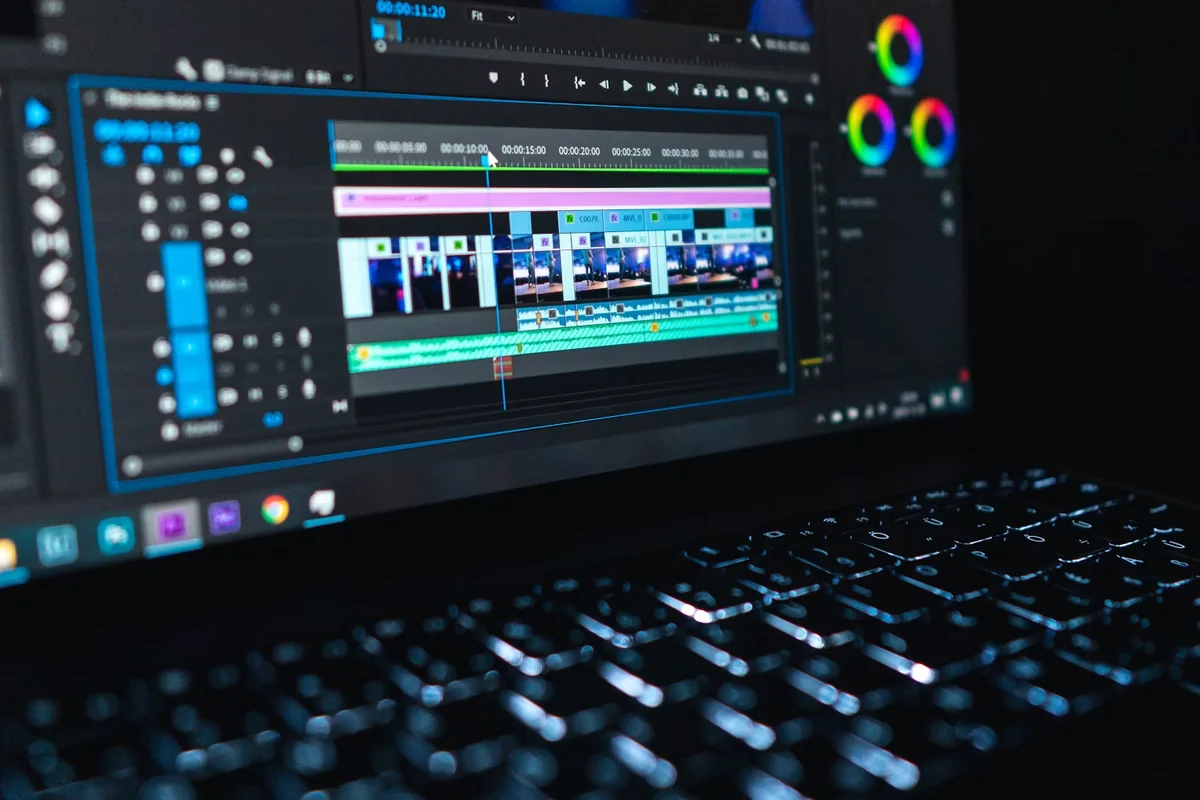
Start with the story order, then trim weak moments. Use clean cut points, match action, stabilize only when needed, balance audio, add subtle sound design, maintain color consistency, and avoid transitions that call too much attention to themselves.
If the article supports a service page, link the reader to video editing and motion graphics when the context is right. Internal linking should feel like guidance, not a forced detour.
Document the before and after. Save the old headline, note the sections that changed, and track whether visitors spend more time on the page, click deeper into the site, or send better enquiries.
Common Mistakes To Avoid
The first mistake is writing for a keyword while forgetting the human question behind it. Search visibility is useful only when the page also helps a person choose with more confidence.
The second mistake is making the content sound bigger than the proof available. A clean explanation with honest limits usually feels more premium than exaggerated claims.
The third mistake is leaving the article isolated. Related pieces such as How To Make Short Videos Feel More Premium and Best Free Video Editing Software For Beginners And Creators should be connected so the site behaves like a useful library instead of a loose set of posts.
A final mistake is hiding the next step. If the article is useful but never points to a service, related guide, or enquiry path, the reader may leave with more understanding but no clear way to continue.
SEO And AI Search Notes
Google and AI answer systems both need clear structure. A direct answer, descriptive headings, schema, date metadata, and internal links make the page easier to understand and cite.
Use semantic HTML where possible. An article should contain a real h1, useful h2 sections, time metadata, FAQ content, and links that describe what the target page is about.
The content should also sound like it came from a real operator. Add judgement, decision rules, and practical language instead of filling space with generic definitions.
Keep the title, meta description, canonical URL, Open Graph tags, Twitter tags, and JSON-LD aligned. When metadata tells the same story as the visible content, crawlers have fewer reasons to misread the page.
Where EDITX Can Help
EDITX can turn this kind of thinking into a clearer service page, blog plan, campaign asset, or production workflow. The useful starting point is always the same: define the question, the audience, and the desired next action.
For this topic, the closest service path is Video Editing and Motion Graphics. That service can support the planning, structure, production, or review work needed to make the page more useful.
Smooth editing protects the message. If a cut, title, effect, or motion graphic does not help the viewer understand or feel the story, simplify it.
After the scope is clear, the work can move into copy, visuals, editing, publishing, or campaign support. The important thing is that every output should trace back to a real buyer question.
Internal Linking Plan
Every article should send readers somewhere useful. One link should point to the closest EDITX service page, at least two links should point to sibling articles, and one call to action should make the business next step clear.
The anchor text should describe the destination. A phrase like video editing and motion graphics tells readers and crawlers more than a vague phrase such as learn more.
Internal links also help older articles keep working. When a new guide is published, connect it to related older posts so the topic cluster becomes stronger over time instead of staying flat.
Review Rhythm After Publishing
A page is not finished just because it is live. Review impressions, clicks, enquiry quality, scroll depth, and the internal links people use after landing on the article.
If search visibility is weak, check whether the query intent matches the page. If clicks are healthy but enquiries are weak, check the service page, offer clarity, and call to action instead.
A monthly review is enough for most small teams. Refresh the intro, add a better FAQ, improve the related links, and update the date when the page has genuinely changed.
Example Workflow
A simple workflow starts with the current page, campaign, or content asset. Read it as a first-time buyer, mark the unclear sections, and decide which question must be answered before anything else.
Next, rewrite the opening answer, add the missing section, and connect the page to a relevant service and two related guides. This creates a cleaner path without rebuilding the whole site.
Finally, publish the improvement with updated metadata and review it after enough visits have collected. The point is to create a repeatable improvement loop, not a one-time SEO patch.
If the change improves clarity but not enquiries, move one step further down the journey. The next issue may be the service page, contact form, offer framing, or follow-up expectation.
Practical Checklist
Check the opening answer, the h1, the meta description, the image alt text, and the first internal link. These small details often decide how quickly the page can be understood.
Check whether the article points to one service page, at least two related articles, and one clear call to action. That internal structure helps readers and crawlers move through the site.
Finally, review the page after publishing. If visitors read but do not enquire, the issue may be the offer, the next step, or the trust signal rather than the topic itself.
When the page is updated, keep the date metadata accurate. Freshness should reflect real improvements, not a cosmetic timestamp change.
FAQ
What is the main idea behind best video editing tips for smooth and cinematic videos?
Create smoother cinematic videos with better pacing, clean cuts, sound design, color consistency, motion control, captions, and story structure. The practical goal is to make the decision easier for a real buyer, not just to publish more content.
How should a brand use this advice?
Start with the buyer question, check the current page or campaign against that question, then improve the section that creates the most doubt.
When should a business get help with video editing and motion graphics?
Get help when the work affects lead quality, brand trust, campaign performance, or the team's ability to publish consistently.
How does this connect to SEO and AI search?
Answer-first writing, clear headings, internal links, schema, and original judgement make a page easier for Google and AI search systems to parse.
What is the next step after reading this article?
Review the related service page, compare two related articles, and write down the one improvement that would make the biggest difference this month.
Conclusion
Best Video Editing Tips For Smooth And Cinematic Videos becomes more useful when it helps a reader make a clearer decision. Keep the answer direct, the structure simple, the links helpful, and the next step obvious.
For help turning this into a stronger page or campaign system, review Video Editing and Motion Graphics or start a brief with EDITX.
